
Week 20
A roman à clef

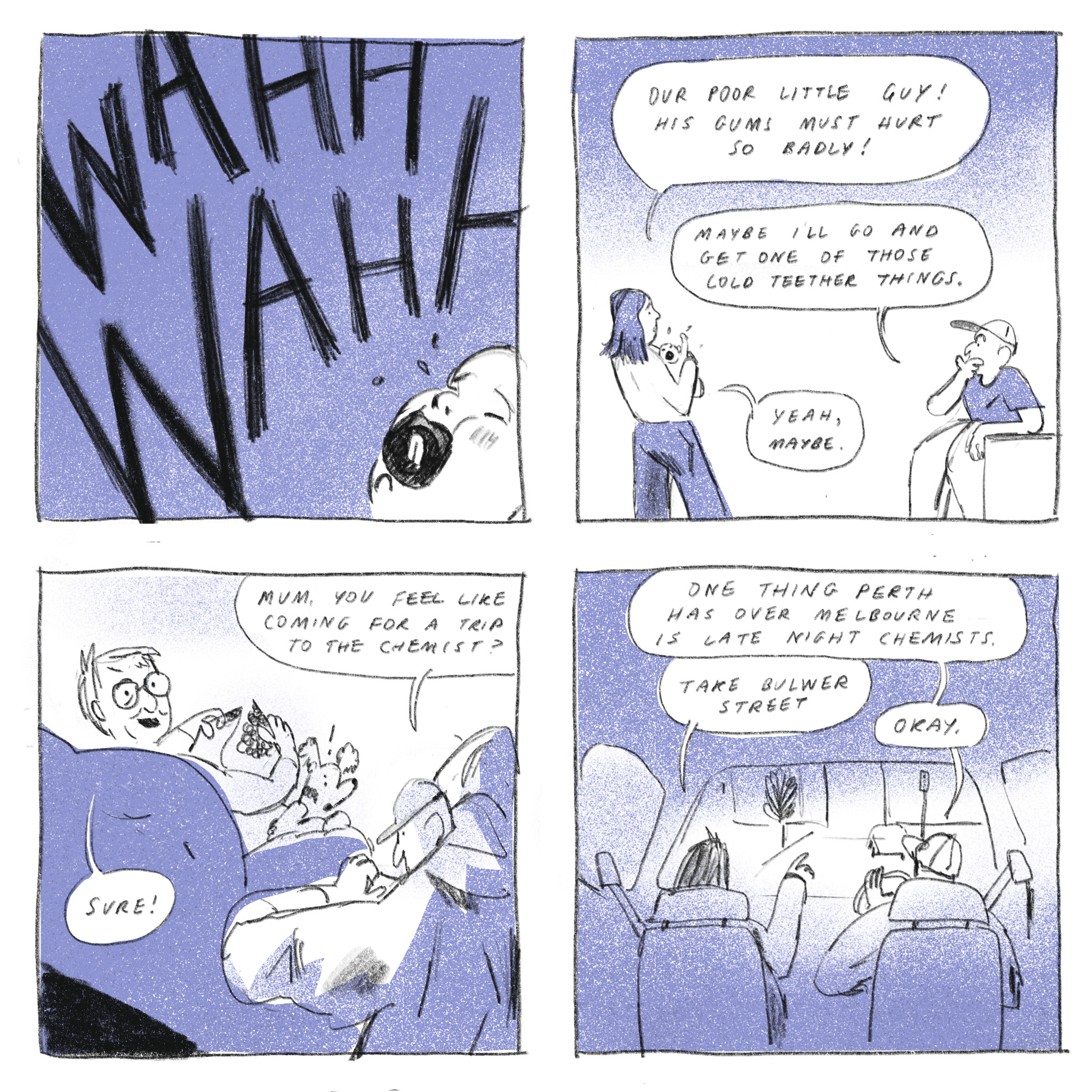
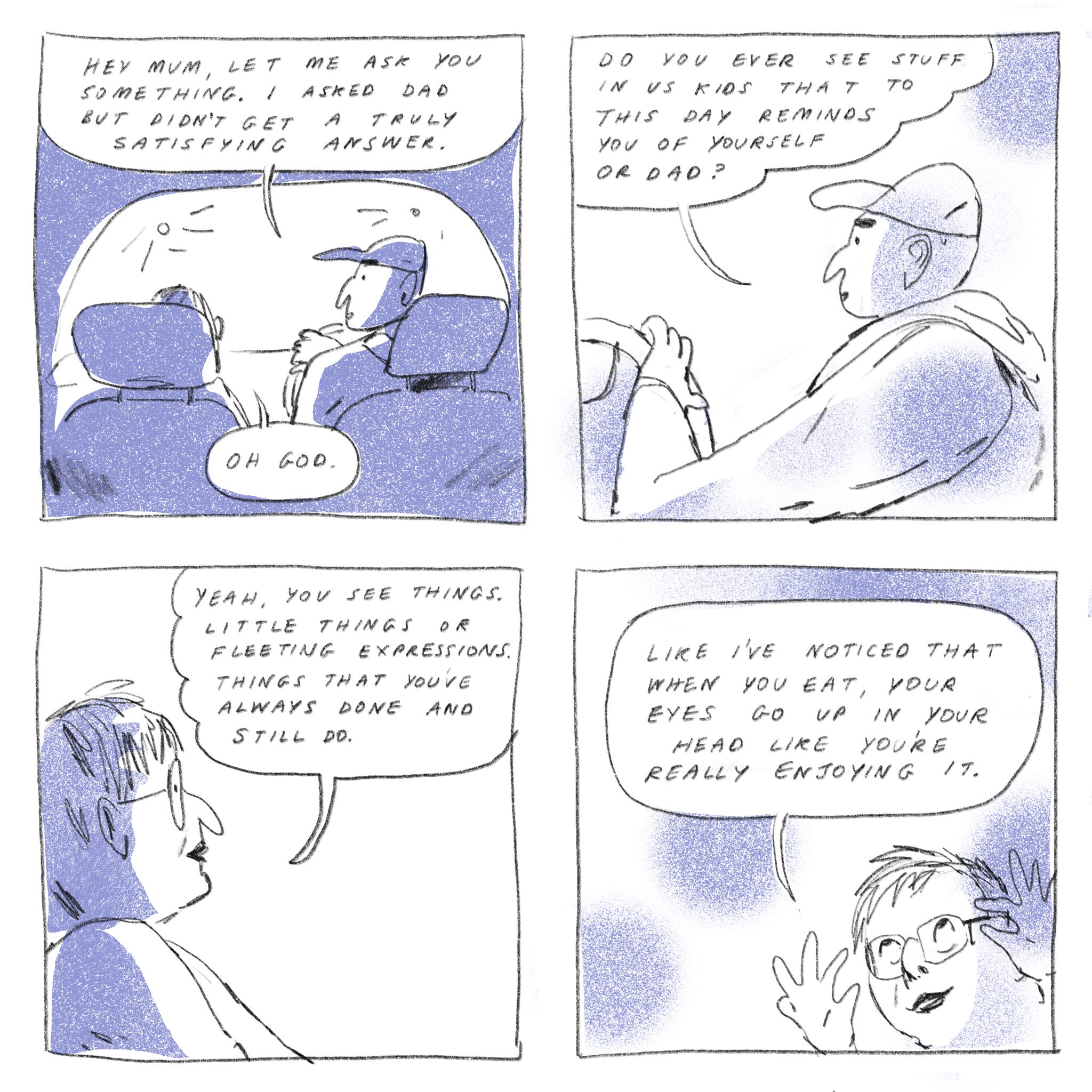
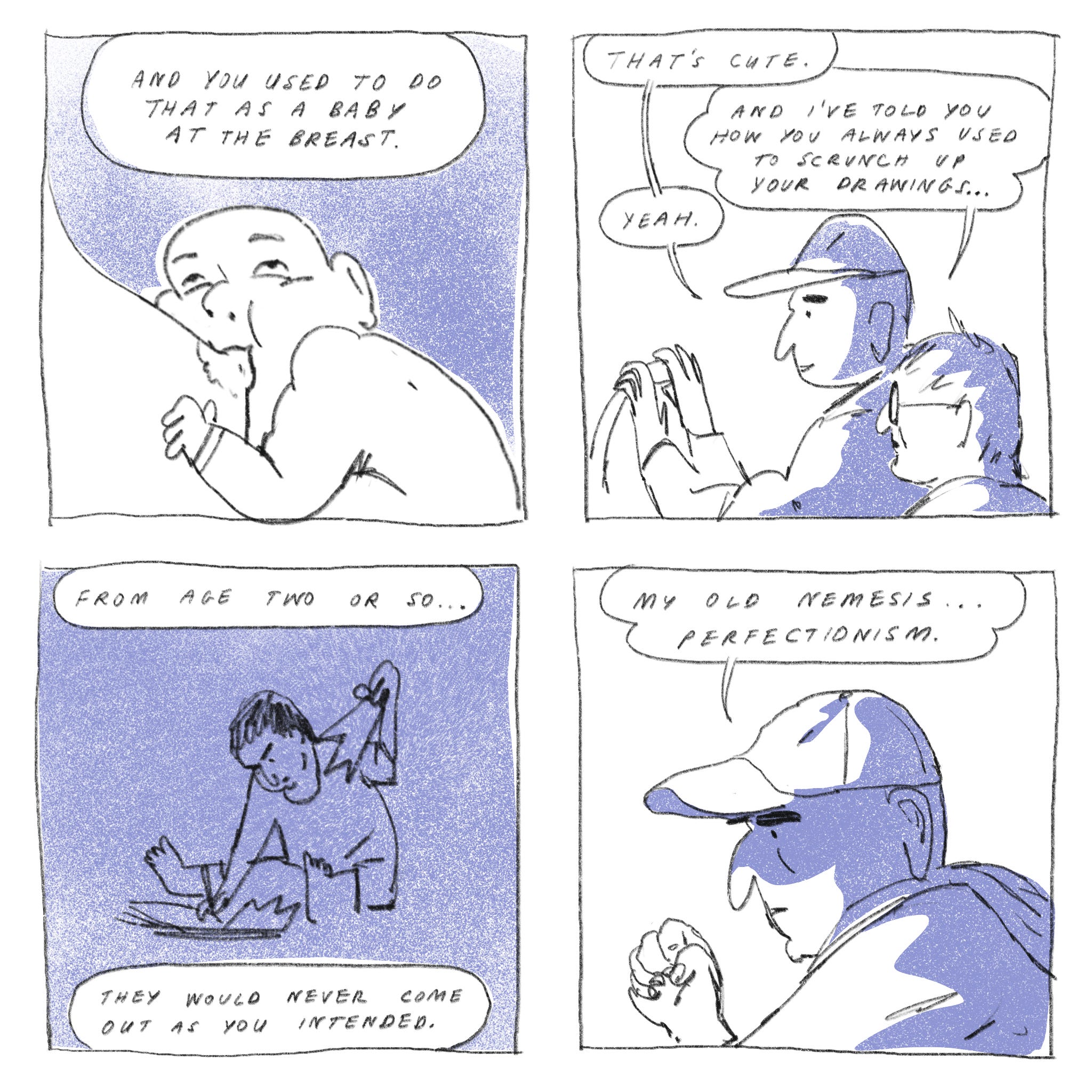
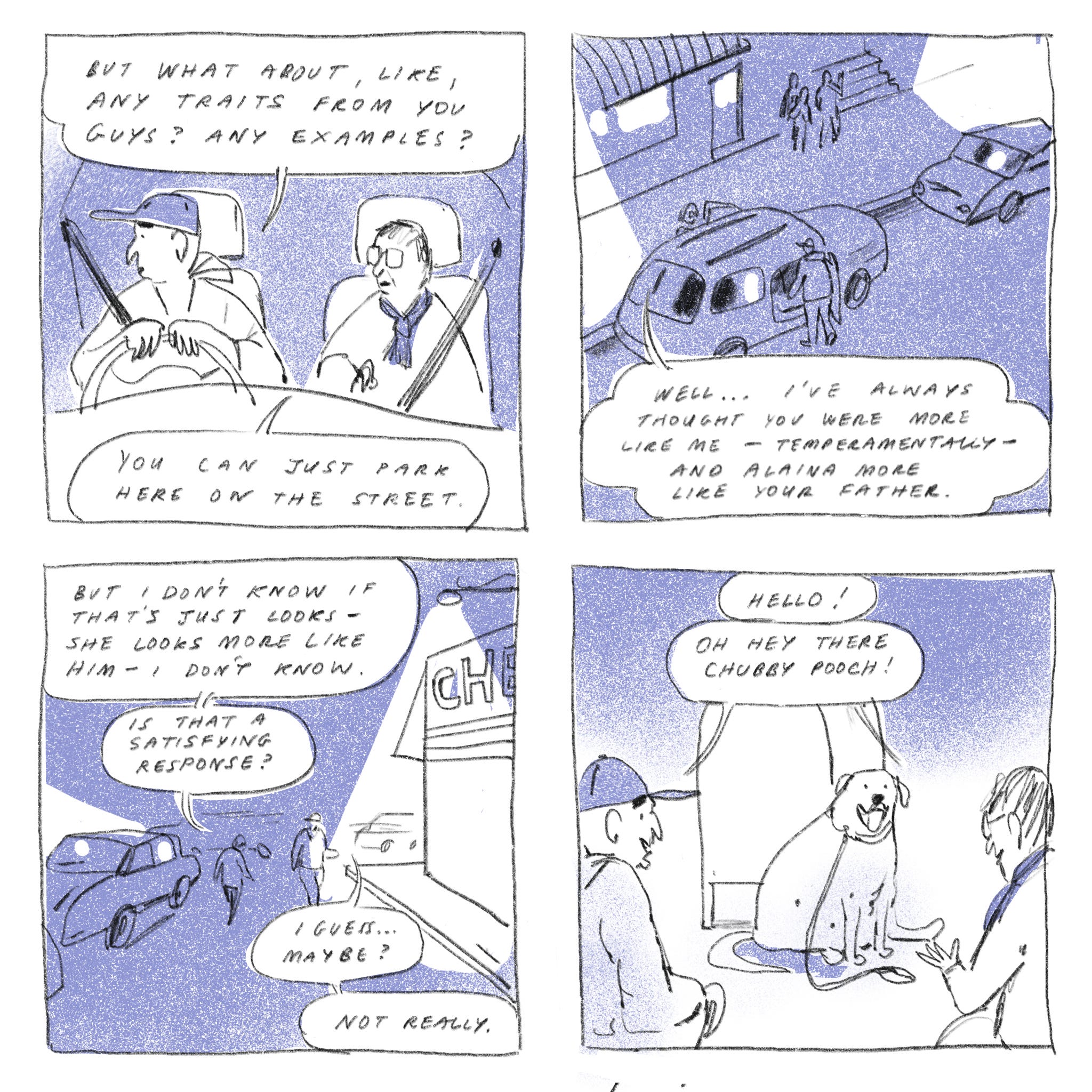
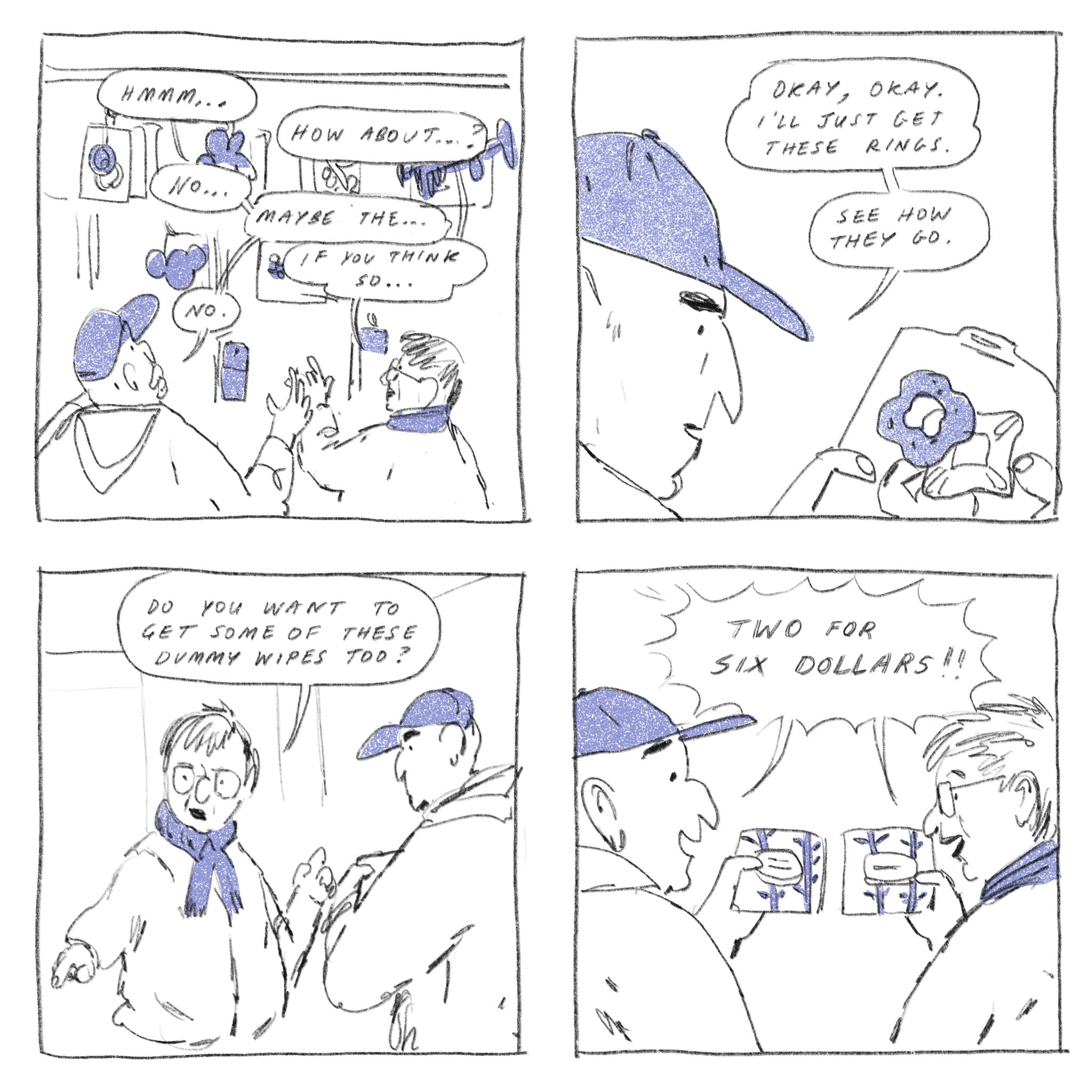
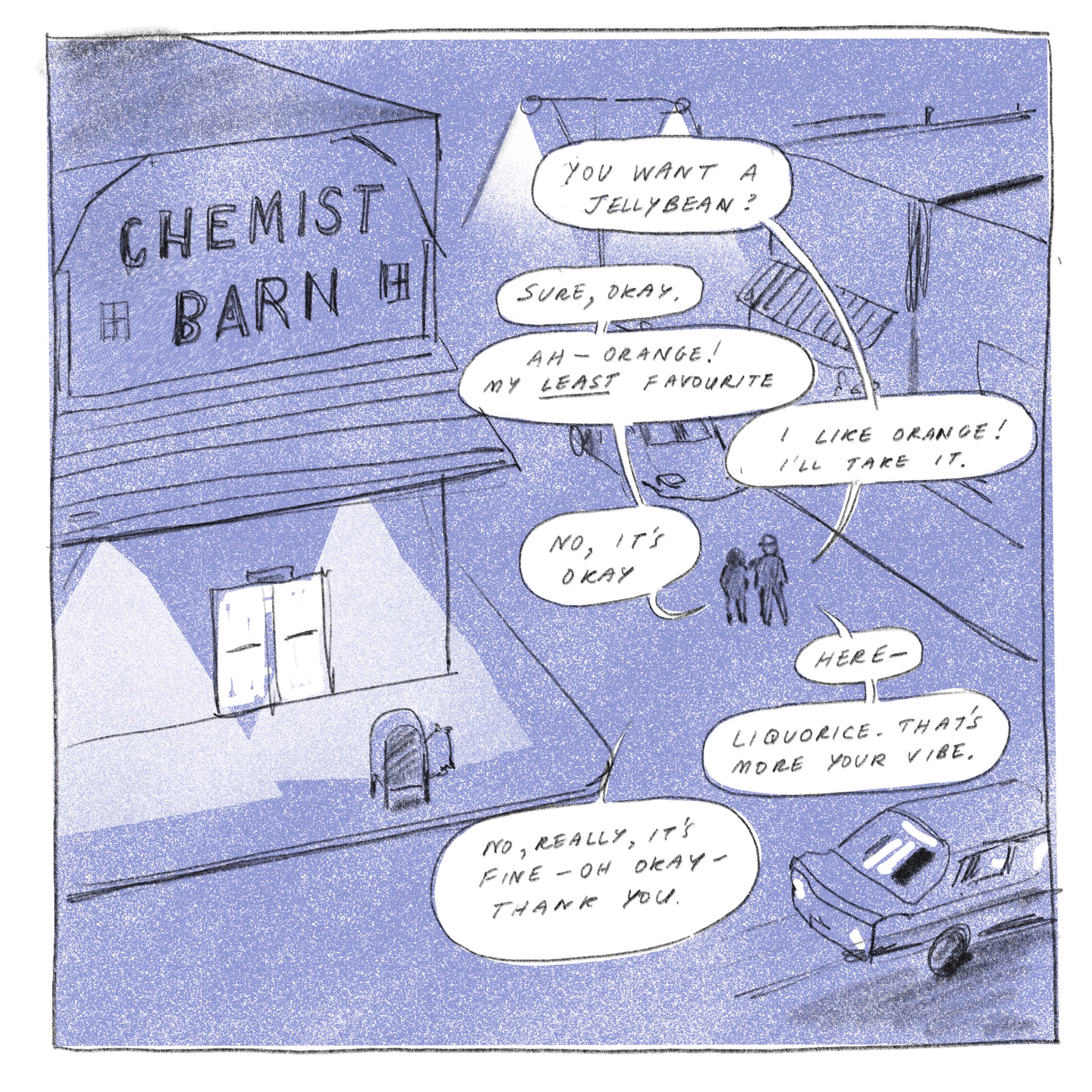
Hi! Thanks for reading TWIL. Every week it’s just a comic and something I’ve learned. If you enjoy it, a share would be lovely and much appreciated. I was looking back through my daily comic journal and found this little story from my last trip to Perth that made me smile and I thought I would draw it up. Then, if you’re a fan of Sylvia Plath read to the bottom to test yourself in trivia against me and wikipedia.
This Week I Learned…
This week I’ve been reading The Bell Jar by Sylvia Plath for Book Club* < insert meme of Julia Stiles reading it in 10 Things I Hate About You> Apparently, it’s also a meme to be a man reading The Bell Jar right now, but hey, I didn’t set the book, I’m just reading it.
Both my wife and my sister consider The Bell Jar a formative reading experience, something that shaped them as teenagers. It’s interesting to come to a text like that later in life, already (mis)shaped, and see what you can get from it. I’m really enjoying the detached yet intense energy of the writing, and I’m enjoying tracing lines out from this book to some of my favourite writers today.
When people say a book “could have been written today,” I think what they really mean is that the mind that wrote it is still out there, still in circulation. There hasn’t been a hardware update on humanity, so you feel pulled through time. Books like Poetics, Anna Karenina, The Bell Jar — they endure because they reveal something constant about being human.
I’ve found myself not just enjoying reading it, but imagining myself enjoying it as a teenager — being inspired the way others were when they found it. The right book at the right time.
I’d been doing some classic web surfing, because I knew next to nothing about Sylvia Plath apart from the means of her death. I learned that The Bell Jar is a roman à clef — a “novel with a key” — meaning it’s based on real-life events, disguised by a thin veil of fiction. I’d heard that term before but had forgotten it.
Then something caught my eye in the “See Also” section: the Small Penis Rule. I’d heard and forgotten about that too. It’s the strategy where authors give a thinly veiled real-life character an unflattering trait — like a tiny penis — so the person it’s based on won’t dare admit the resemblance. One of the more brutal examples is below:
“The small penis rule was referenced in a 2006 dispute between Michael Crowley and Michael Crichton. Crowley alleged that after he wrote an unflattering review of Crichton’s novel State of Fear, Crichton included a character named ‘Mick Crowley’ in his next book. The character is a child rapist, described as a Washington, D.C.–based journalist and Yale graduate with a small penis.”
From bell ends, I made my way back to The Bell Jar — and to Sylvia Plath’s life. I began sharing my discoveries with Rachael as I read.
“Did you know Sylvia Plath was married to a poet named Ted Hughes?”
A hard stare. “Yes. Of course I know that.”
“Well, did you know the woman Hughes cheated on Plath with also died by suicide, in the same manner, several years later?”
“Yes, I did.”
“And that Sylvia and Ted’s son also died by suicide?”
“I’ve heard it can be hereditary,” she said. “Though I guess you have to survive long enough to have children, and then they have to survive too.”
“Okay, here’s something I bet you don’t know…”
She raised an eyebrow.
“In 1988, Sylvia Plath’s daughter moved to Perth, Western Australia — Perth! — and later settled in Wooroloo, north of the city. The Australian landscape inspired much of her painting. She even obtained dual citizenship in 1992.”
“Wow,” she said. “I actually didn’t know that. It’s amazing how it always comes back to Perth with you.”
“And look, here’s her art.”
A pause. “Oh. Oh well.”
Later, I tried the same on my sister.
“Did you know Sylvia Plath was married to a poet named Ted Hughes?”
A scoff. “Is that a joke?”
“Well—yes—but did you know the woman he cheated on her with also suicided in the same manner?”
“You mean Assia Wevill? Have you ever met me?”
“So you know a lot about Sylvia Plath. Would she—do you think she’d be your topic on Hard Quiz?”
“Maybe. I’d have to brush up a little.”
“But you know that Sylvia Plath’s daughter lived in Perth?”
“Yes. I went to see her read her poems once.”
“Were they any good?”
“Sadly, talent isn’t always hereditary.”
“Okay, stop me when I come to something you don’t know about Sylvia Plath.”
“Pfft, I’ve read more biographies of Sylvia Plath than you’ve read books.”
“So you know about her son who also died by suicide.”
“Yes.”
“And you know what he did for a living?”
“Marine biologist, right?”
“But what kind of marine biologist, Elaina? What kind?”
A thoughtful pause. “Whales?”
“Salmonids,” I said, triumphantly. “He studied the movement of king salmon.”
“I see.”
“Oh, it’s just—I thought you were a fan of Sylvia Plath.”
Thinking back on that conversation with my sister, I felt a strange, sad distance — like the feeling of having missed out on something. Why hadn’t I read this book before? Would it have lit a fire under me, the way it had for these important women in my life?
Had my sister ever shown it to me? Urged me to read it? I can’t say. I can’t remember. I just have this vague sense that the two of them were somehow linked — Sylvia Plath and my sister — but no concrete recollections. I remember a closed bedroom door.
Had Plath ever come up at the dinner table? While we were eating fruit from my grandmother’s fig tree? You know, this reminds me of a great book…
Reading the famous fig analogy now, I see how deeply it might have struck a teenage me — that feeling of wanting everything and being paralysed by choice. Of recognising both the hunger and the futility of wanting.
But would I have even read it back then? Even if it had been pushed into my hand? I seem to remember that, at that time in my life, I was seeking male voices. So I doubt it. I remember begging everyone in my family to read Have a Nice Day! A Tale of Blood and Sweatsocks by the wrestler Mick Foley — and being completely ignored. Maybe I would have ignored The Bell Jar too.
A voice whispers: She didn’t share it with you because you wouldn’t have understood it. You were too shallow — too deficient, mentally. It would’ve been wasted on you.
Another voice: She didn’t share it because she didn’t want you to understand it. Because it was hers — her secret connection — and it would’ve been spoiled by you also loving it.
Teenagers are self-absorbed. They talk past one another, obsess over petty grievances. They’re busy trying to carve out a space for themselves, to discover who they are. But looking back, I can’t help wishing I’d been more curious — how much richer my sense of the world and of myself might have been. I still remember the spines of the books my hands passed over: Pollyanna, Sense and Sensibility, Little Women.
My phone pinged. An email:
Subject: Overdue Notice — The Bell Jar
From: City Library
To: Ashley Halfpecker