
Week 38
And every month feels exactly like a month

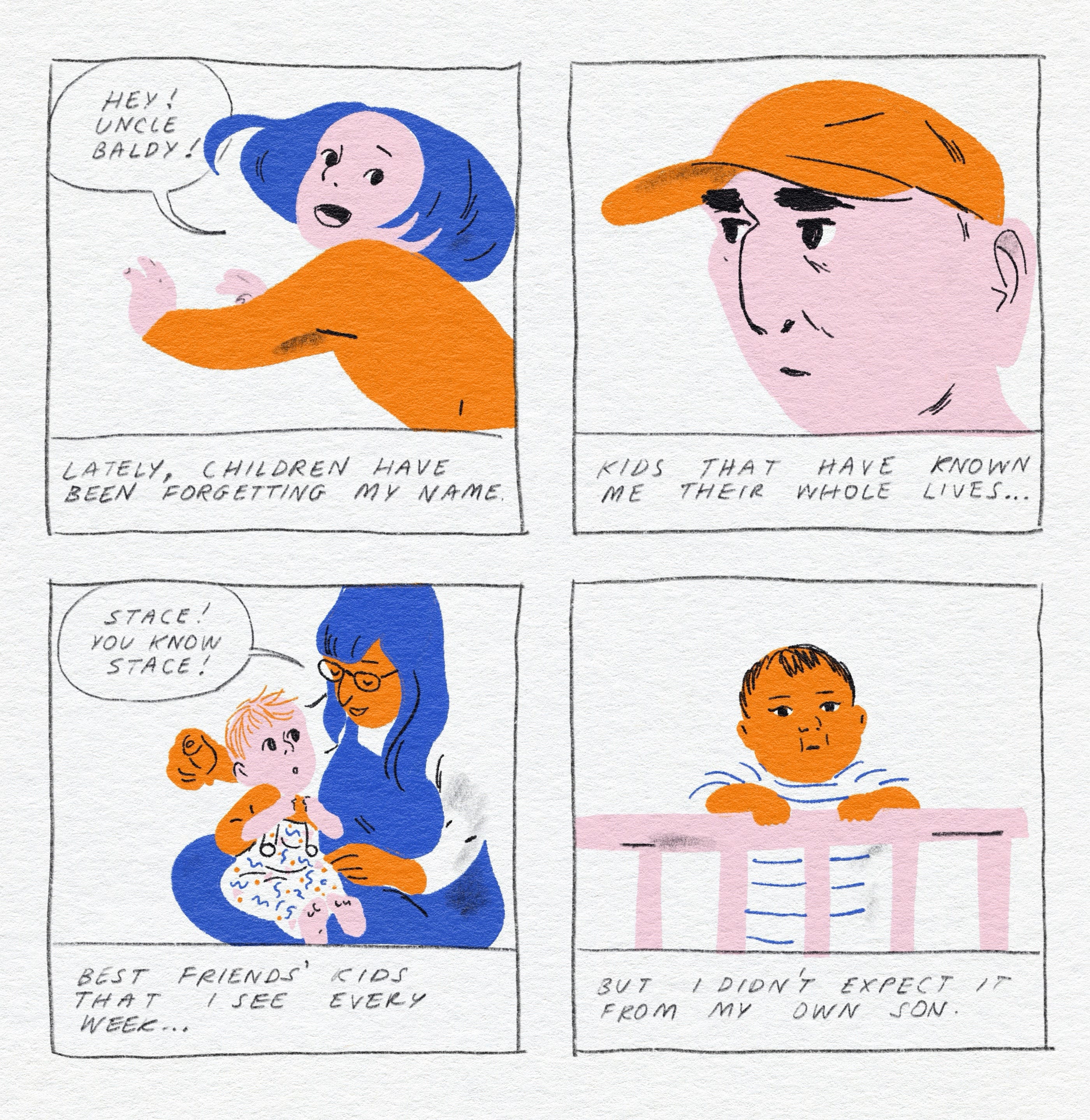
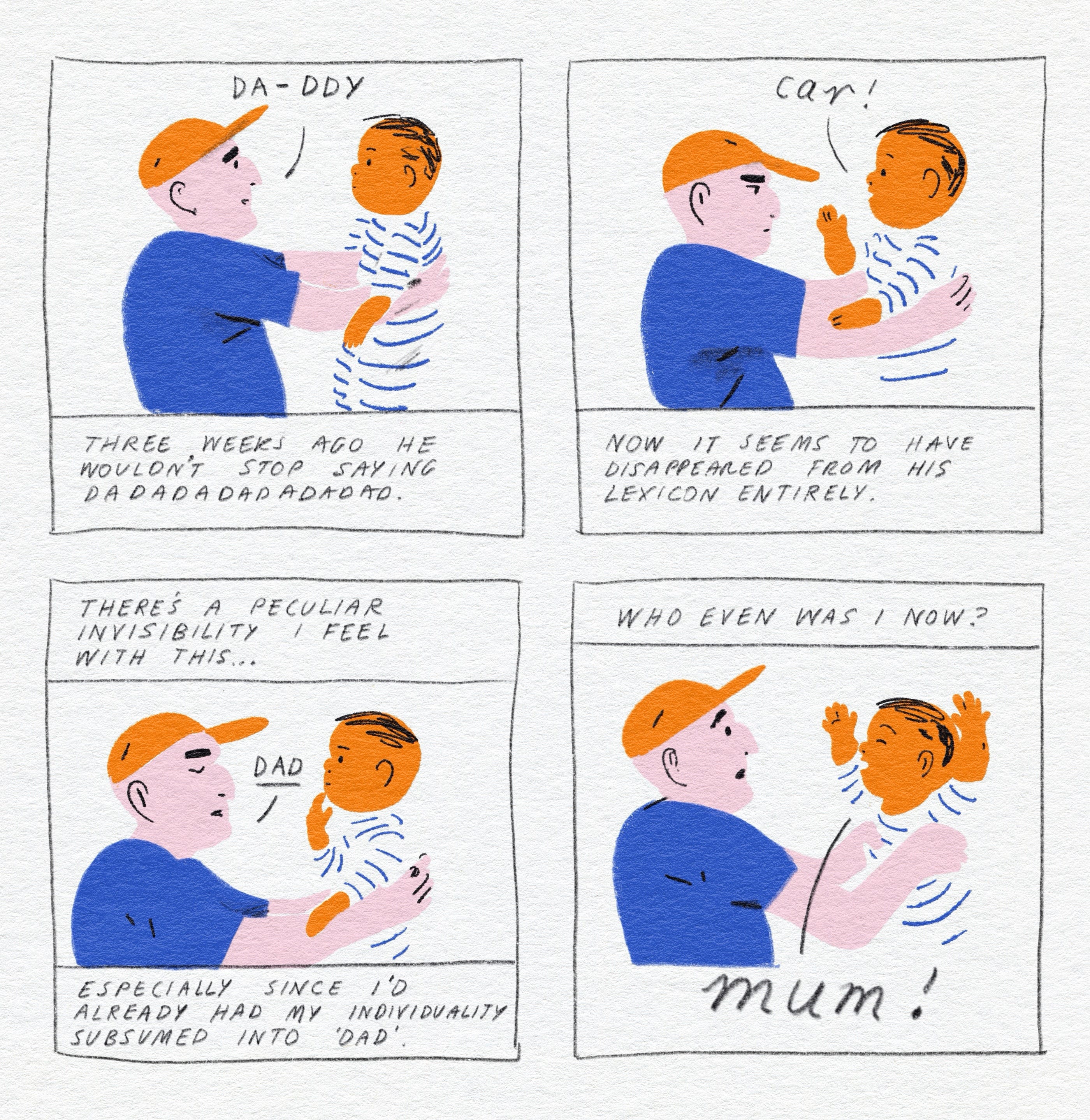
I feel like this clean style is practically the opposite to last week’s slightly unhinged comic. Perhaps it’s because I’ve slept a little better this week.
Our son turned one on Sunday. It feels like the year has been both slow and quick. I have nothing new to add to the maxim that the days are long and the years are short…except maybe to say that the months feel like exactly a month. Every time he’s gotten a month older, I’ve been like, yeah, that felt like a month.
Writing a book feels the same. I’m four years in and it feels as though I’ve both been living with this story forever and have only just started.
The week I signed the contract with Fantagraphics, I went out and bought a really nice notebook and mechanical pencil.
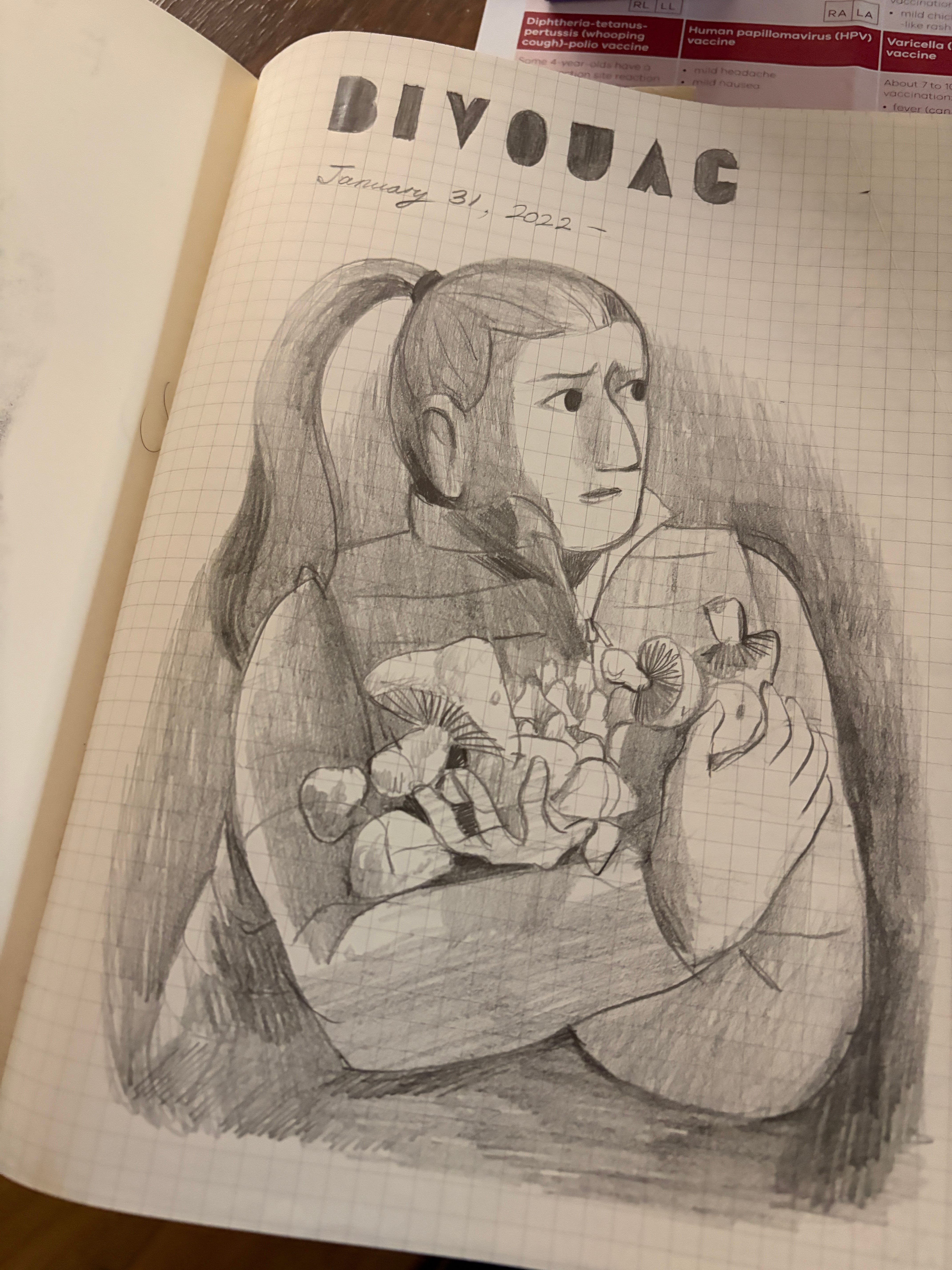
31 January, 2022. Seems like a long time ago. Four years ago I wasn’t married, had no children, had a job. But a lot has stayed the same as well: I live in the same house, have the same cat, same friends. Same toothbrush, new teeth. That’s not true but I like how gross that image is.
The book has something of a spiral structure and refers a lot to the speeding up of time, in an individual’s life but more so in how the world feels like it’s accelerating—news cycles, technological leaps—the sense that everything is spiralling faster and faster. When I started, A.I. wasn’t even really being discussed in civilised circles. Now it’s everywhere, speeding things up to the point where we seem to be bypassing thought altogether. I like that writing this book will mean spending hours drawing a single page of mainly trees as a small act of resistance against the entropy of the feed.
There are many ways to approach writing a graphic novel, but I knew from the start that I’d be embarking on a multi-year project and so for me I knew I wanted some kind of structure I could return to when things got difficult, something to help focus me and keep the momentum going.
At the beginning I told my editor I thought I could finish it in two or three years. He’s a very experienced comics publisher and he politely nodded and said sure, but also made it clear that any deadlines, from his perspective, would be fairly loose.
I can’t remember exactly when I adjusted my expectations, but it was probably very early on, because the first thing I did was give myself a neat structure that would become my roadmap:
One year writing the script. One year working on thumbnails (laying the book out in very rough drawings). One year revising those drawings (pencilling). And one year on the final artwork.
Four years total.
I’m now just over four years in and about three-quarters of the way through that plan. If you average it out, each stage has taken closer to sixteen months than twelve. To be fair, the book is quite long (currently sitting at 388 pages) so trying to draw more than a page a day is challenging.
The script stage in particular took much longer than I expected. But it was the foundation everything else rests on, and it took a long time simply to figure out what the story actually was.
The book is mainly just two characters lost together in a forest. I filled up that notebook trying to get them to talk to each other, writing little scenes which were also sometimes just ways to spit out facts I’d learned about butterflies.
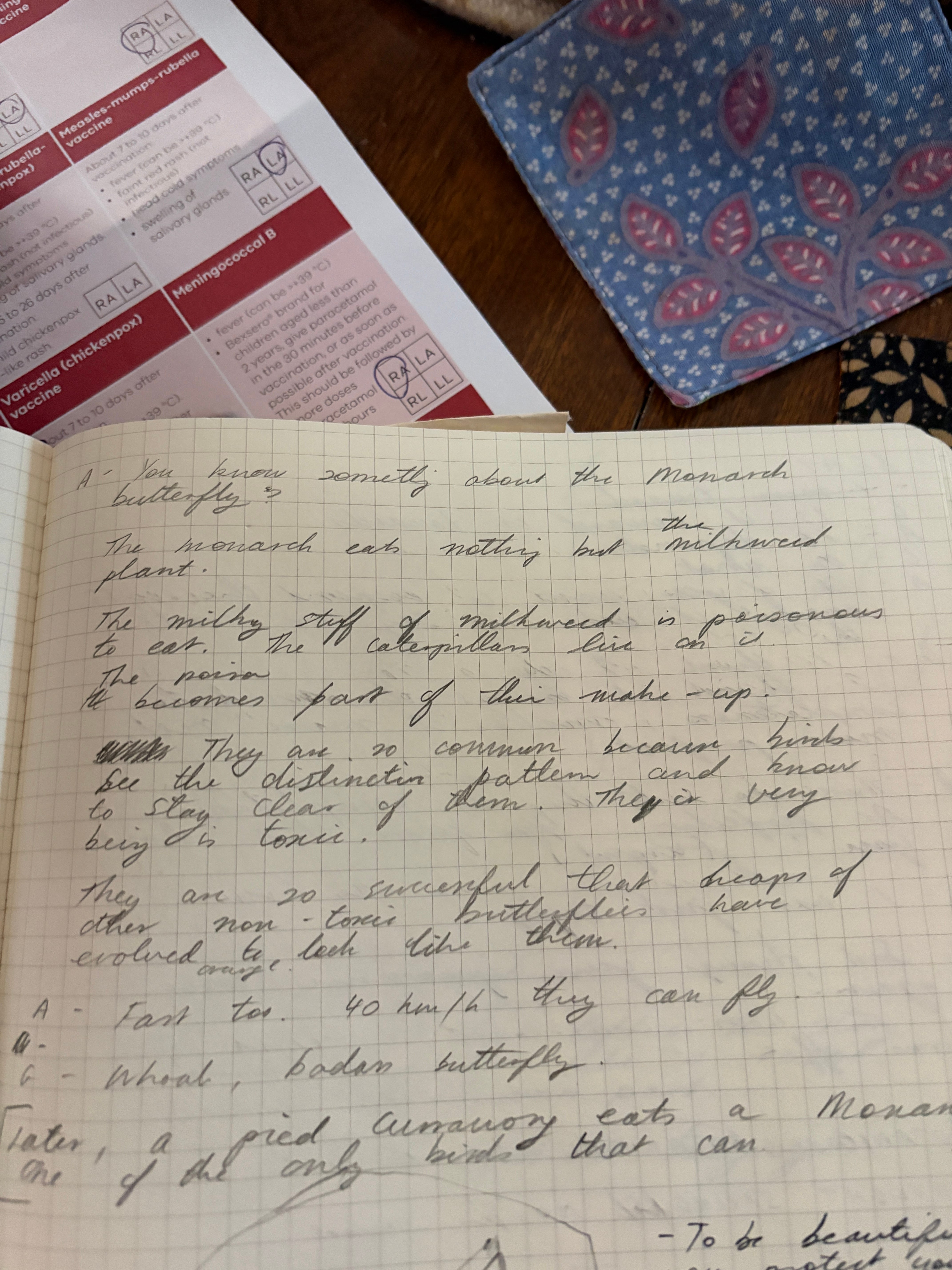
Along the way I read a lot and thought a lot, trying to land on what I wanted to happen and, therefore, what—if anything—I was trying to say.
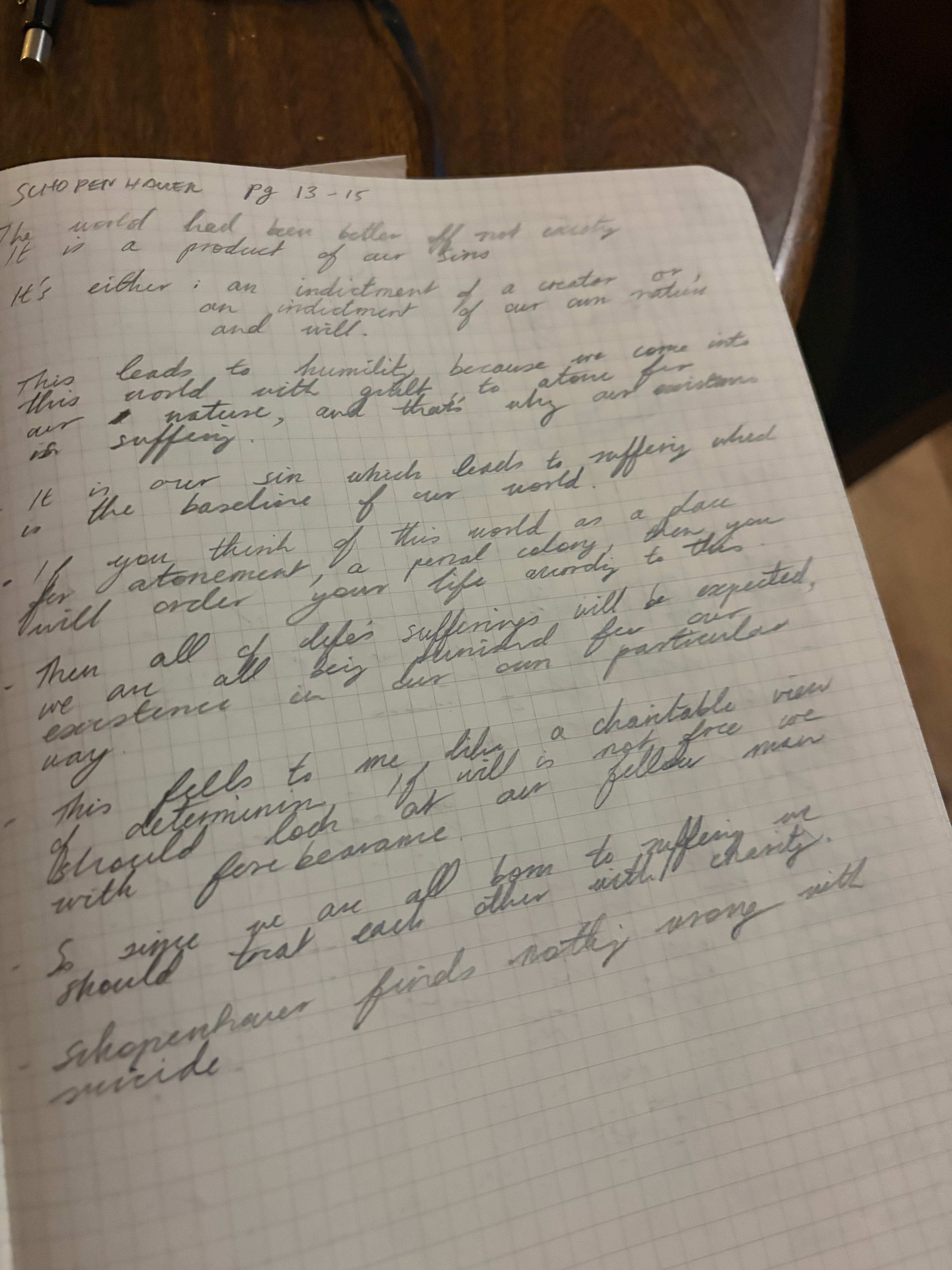
That notebook is where most of that groundwork happened. Looking back, there’s less drawing in it than I expected. And more Schopenhauer.
But it’s interesting to see that the design of the main character, Grace—the perspective character of the book—has barely changed at all over the years, whereas the other character, who I just call “A”, has changed constantly.
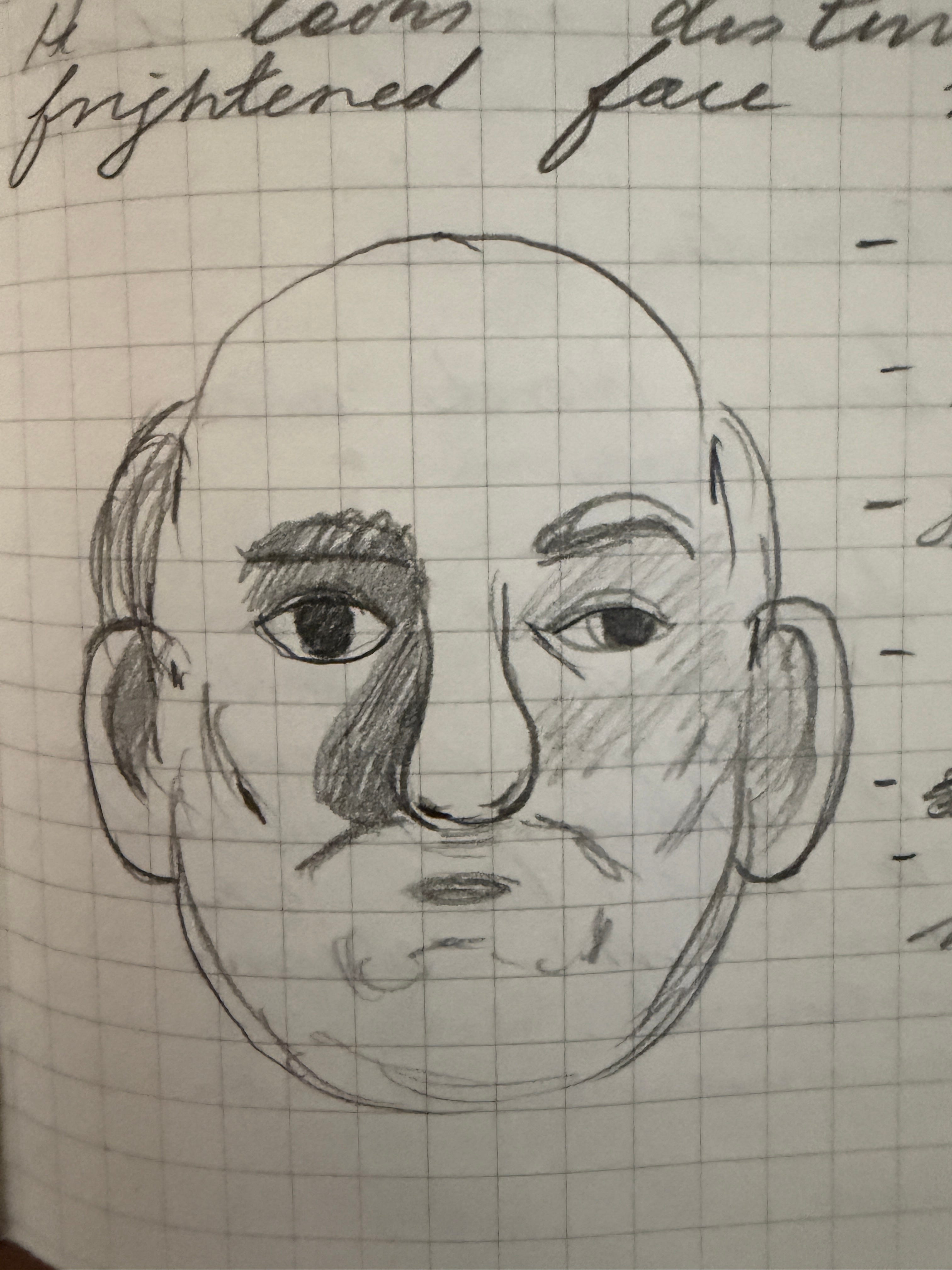
A First sketch of the “A” character. Early on he had a schlubbier appearance.
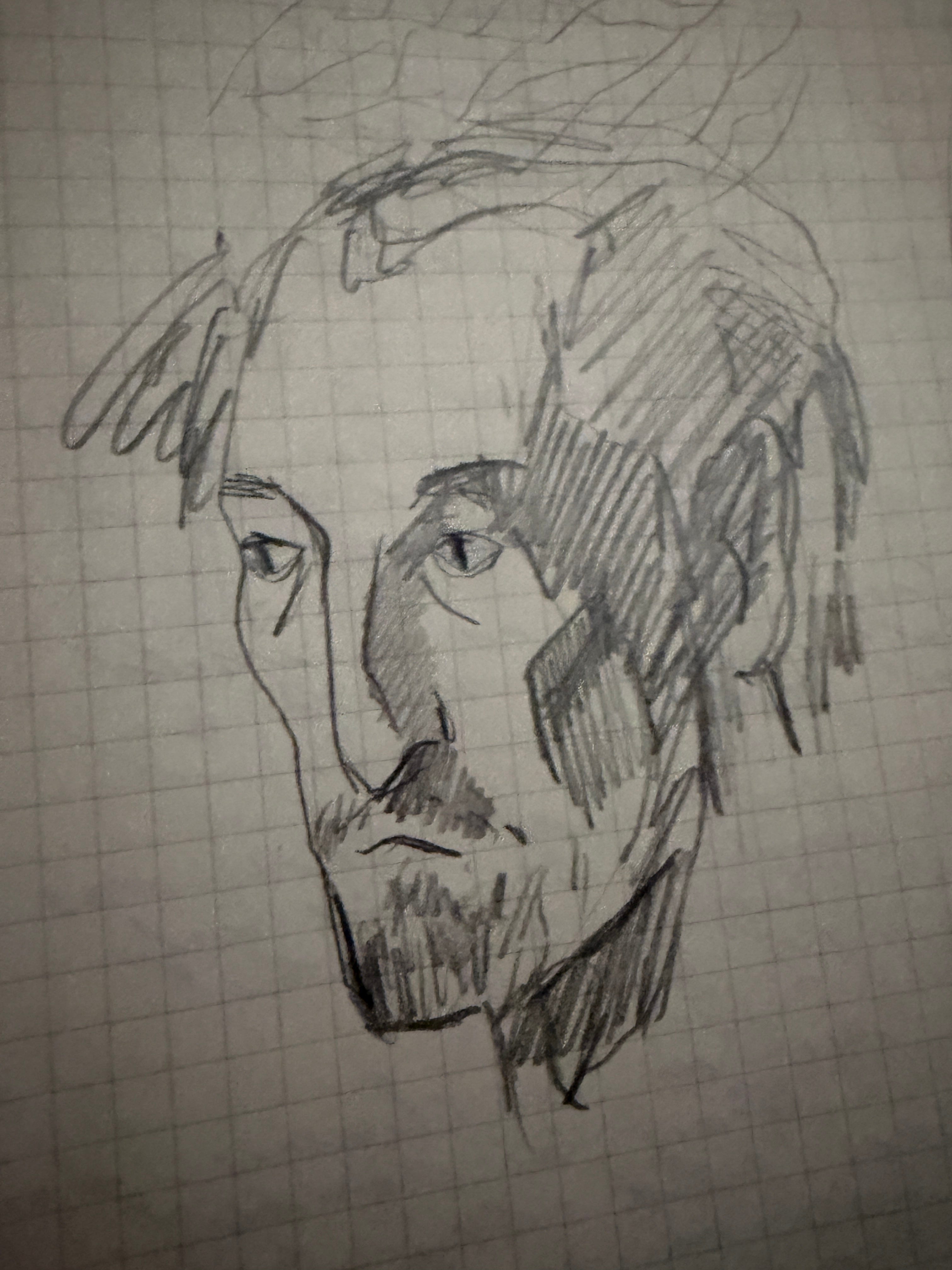
This is much closer to what he would become.
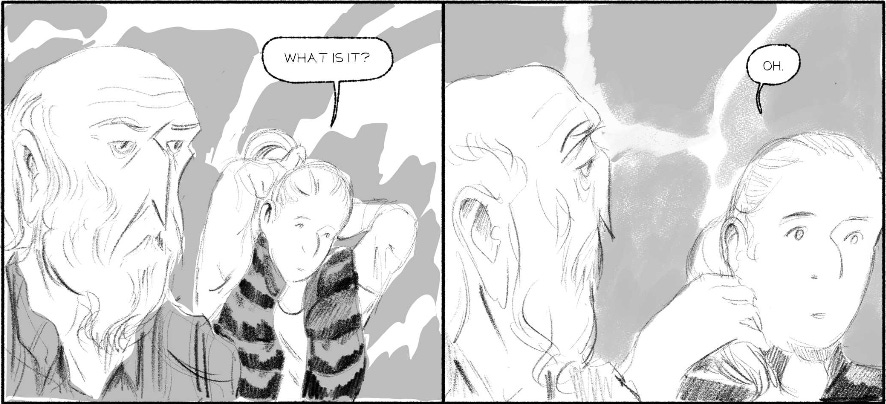
The two characters in the latest draft.
Which makes sense. She was always much more formed in my mind. His character kept shifting depending on what she—and the story—needed.
I have so much of this stuff. Let me know if you’d like to see more process materials from the book or if you have any questions! Or if you just prefer my oozing, wet takes on things.
This Week I Learned…
The Monarch butterfly employs something called Müllerian mimicry with its pal the Viceroy butterfly. It’s where two species that are both unpleasant to eat evolve to look almost identical, reinforcing the same warning signal to predators. For a long time it was thought (and I thought this) that the Viceroy butterfly was simply pretending to be the toxic Monarch butterfly—a classic piggybacking situation. But it turns out the Viceroy is also nasty-tasting to birds so rather than one cheating the system, both butterflies benefit by sharing the same orange-and-black uniform. You could say they’re in lepidopteral cahoots. Once a predator learns the lesson from one, it tends to avoid both of them.
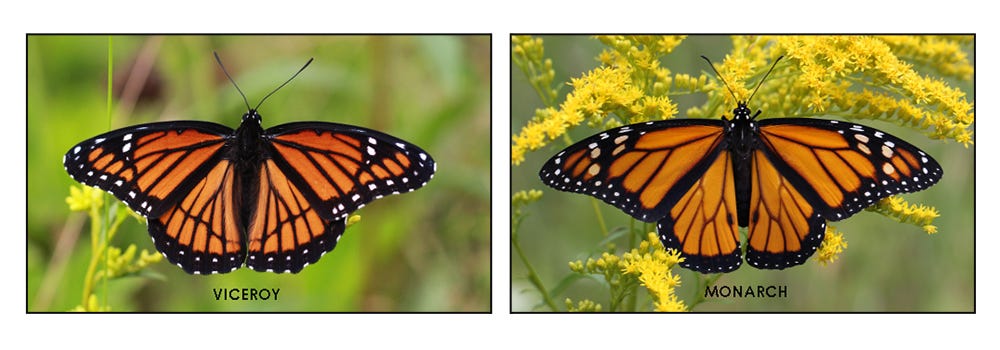
Spot the difference!